

Spotlight on Science.
The Library Foundation of Newport Beach is pleased to present Spotlight on Science, a program featuring extraordinary and renowned scientists who will shed light on innovative and exciting research in the sciences.
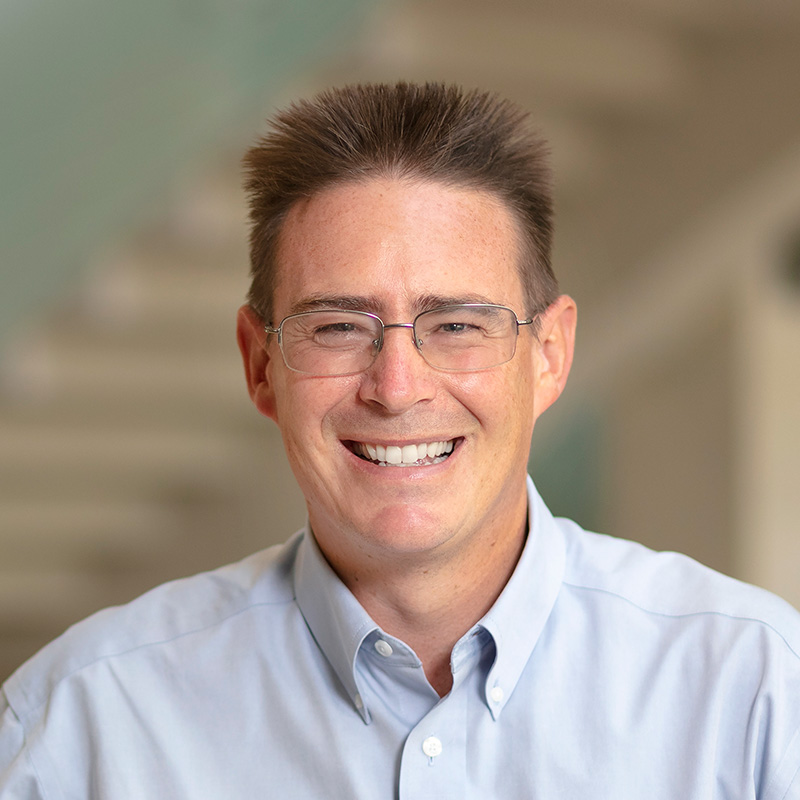
The Invisible Universe Within: How Microbes Shape Health, Disease, and the Environment
Rob Knight, PhD
Professor – Pediatrics, Bioengineering, Computer Science & Engineering, and Data Science, UC San Diego
Wednesday, October 7, 2026, 7:00pm
Doors open at 6:30pm
Rob Knight is the founding Director of the Center for Microbiome Innovation at UC San Diego and a globally recognized leader in microbiome science. He is a Professor of Pediatrics, Bioengineering, Computer Science & Engineering, and Data Science, and holds the Wolfe Family Endowed Chair in Microbiome Research at Rady Children’s. Elected to the National Academy of Engineering in 2024, Knight is also a Fellow of AAAS, AAM, and AIMBE. He has authored more than 1,000 scientific papers and the books Follow Your Gut and Dirt Is Good. His lab developed influential tools such as QIIME and UniFrac, which helped launch modern high throughput microbiome research. Knight co-founded the Earth Microbiome Project, the American Gut Project, and two biotech companies. His work has connected microbial communities to a range of human health conditions, ranging from obesity to Alzheimer’s, and advanced our understanding of microbial communities in our environment.
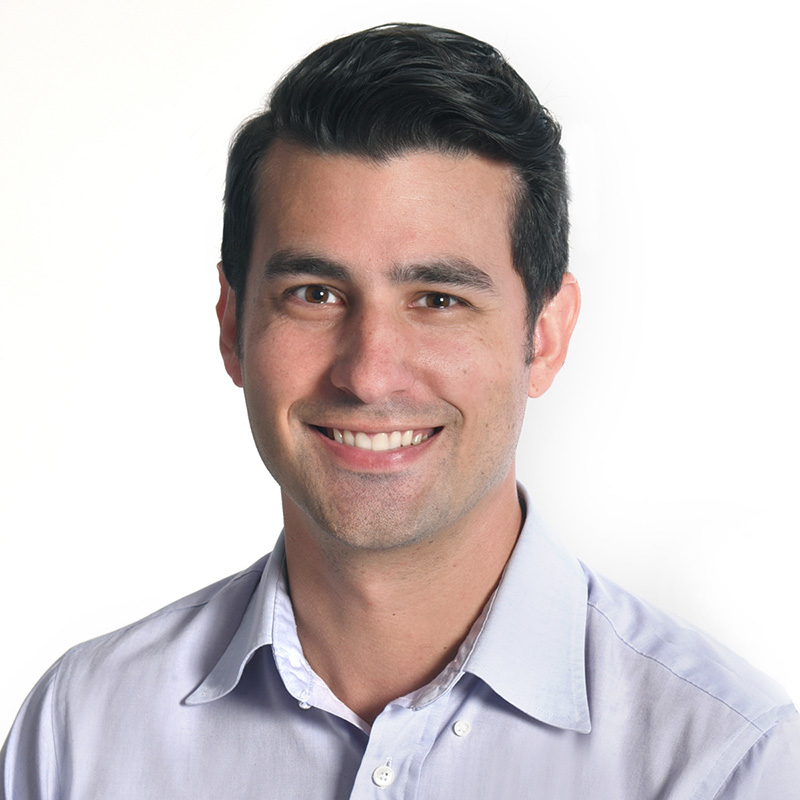
Earth 2.0: How to Find it, Why We May Already Have, and What’s Next
Paul Robertson, PhD
Associate Professor – Department of Physics and Astronomy, UCI
Wednesday, November 18, 2026, 7:00pm
Doors open at 6:30pm
Paul Robertson is an Associate Professor in the UCI Department of Physics and Astronomy. He was a NASA Sagan Fellow at Penn State University, and a member of the Center for Exoplanets and Habitable Worlds. His current research focuses on the development of the Habitable Zone Planet Finder and NEID instruments and continuing a detailed study of stellar activity for old, low-mass stars. These research avenues together advance his overall goal of finding potentially habitable exoplanets around nearby stars.
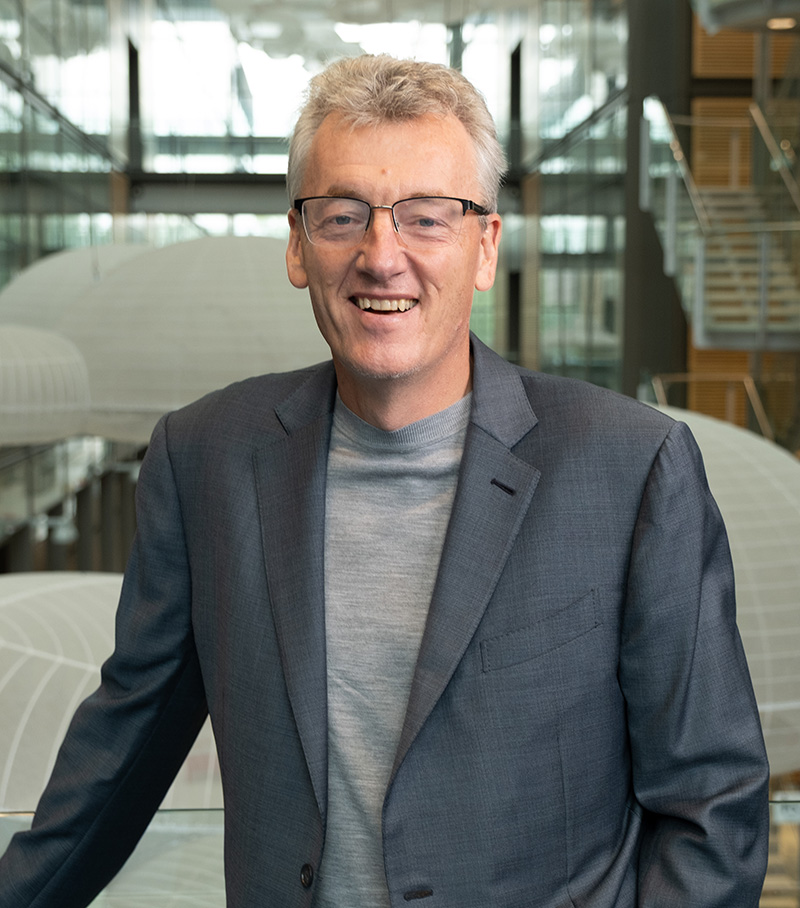
Revolutionizing Chemical Synthesis
David MacMillan, PhD
James S. McDonnell Distinguished University Professor, Princeton University
Nobel Prize Winner in Chemistry
Wednesday, March 24, 2027, 7:00pm
NEW DATE: Wednesday, March 3, 2027, 7:00pm
Doors open at 6:30pm
Sir MacMillan started his doctoral studies with Professor Larry Overman at UC Irvine, followed by a postdoctoral position with Professor Dave Evans at Harvard in 1996. He went on to further his research career at UC Berkeley and eventually moved to Caltech as the Earle C. Anthony Chair of Organic Chemistry. In 2006, he became the A. Barton Hepburn Professor of Chemistry, where he served as Department Chair from 2010–2015. Currently, he holds the James S. McDonnell Distinguished University Professor at Princeton. He won the 2021 Nobel Prize in Chemistry for developing asymmetric organocatalysis and was knighted by Queen Elizabeth II in July 2022. His research focuses on various areas of organic chemistry, including organocatalysis and photoredox catalysis.
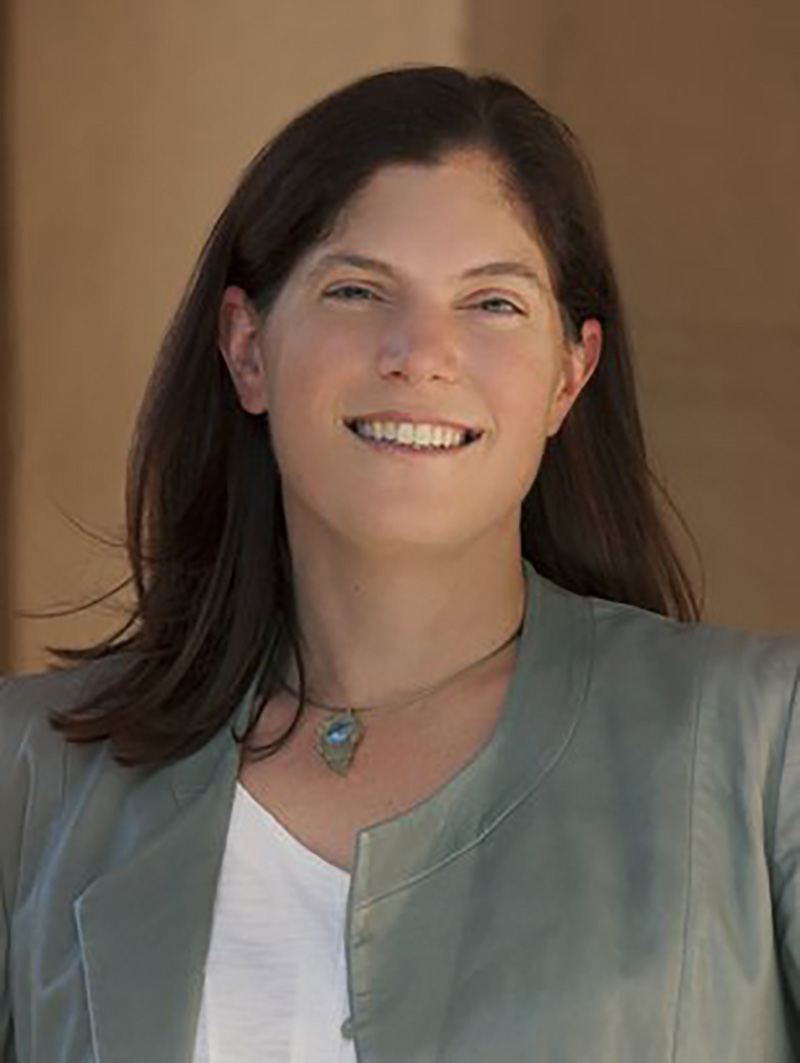
One Micron Long, One Mile Deep: How deep-sea microbes shape our planet
Victoria Orphan, PhD
James Irvine Professor of Environmental Science and Geobiology at the California Institute of Technology
Wednesday, April 28, 2027, 7:00pm
Doors open at 6:30pm
Victoria Orphan is the James Irvine Professor of Environmental Science and Geobiology at Caltech, and the current Director of the Kerckhoff Marine Laboratory on Newport Bay in Corona del Mar. Her research focuses on microbes in deep-sea ecosystems and their links to microbial communities in shallow coastal waters, including our Bay. In shallow waters, her team studies the role that microbes play in sequestering carbon in anaerobic seagrass beds. In the deep ocean, they have been focusing on the microbes that sustain organisms thriving on methane in some of the deepest submarine canyons off the Pacific Coast. This work has taken Dr. Orphan on a number of submersible dives more than a mile deep to photograph and sample these strange creatures. Professor Orphan has received numerous honors, including a DOE Early Career Research Award (2010), a MacArthur Fellowship (2016), and election as a Fellow of the American Geophysical Union (2021).

Program Details
The lectures will be held at Witte Hall
Limited Seating
7:00pm – 8:30pm || Doors open at 6:30pm
Free Event
QUESTIONS?
Contact Director of Programs Kunga Wangmo at 949-717-3818 or programs@libraryfoundationnb.org
Video Archive
Click here to watch videos from past lectures
2026-2027 Sponsors
The Foundation would like to express our deepest gratitude to the funding Sponsors and Partners for the steadfast support and generosity of 2026-2027 Spotlight on Science season.
Bronze
Karen and Bruce Clark
Steel
Patricia McClure
Joanne and Larry Overman
Diane Silber
2026-2027 Spotlight on Science Committee
Bruce Clark, Co-Chair
Karen Clark
Andrew Gerken
Randy Heyler, Co-Chair
Barbara MacGillivray
Greg MacGillivray
Larry Overman
Janet Ray
Walkie Ray
Don Silberman